

I tested two iGaming platforms: one billed $499/mo, the other hid costs in setup. I’d check uptime, game approvals, and real payment integration for casinos, not promises. Also ask for RNG casino software proof and operator tools.
I once signed a casino provider network “bundle” and learned the platform still had separate integration fees. The biggest trap is confusing distribution networks with the actual online casino platform core.
I plugged in five online casino game providers on one test build. The hard part wasn’t games—it was consistent licensing, updates, and game supplier integration behavior. For a reliable casino software provider approach, I reviewed https://casinosoftware.co.ke/ and checked how the online casino platform handled versioning, content refreshes, and operational stability. Afterward, I validated reporting, player account management flows, and the overall casino platform integration from launch through ongoing maintenance.
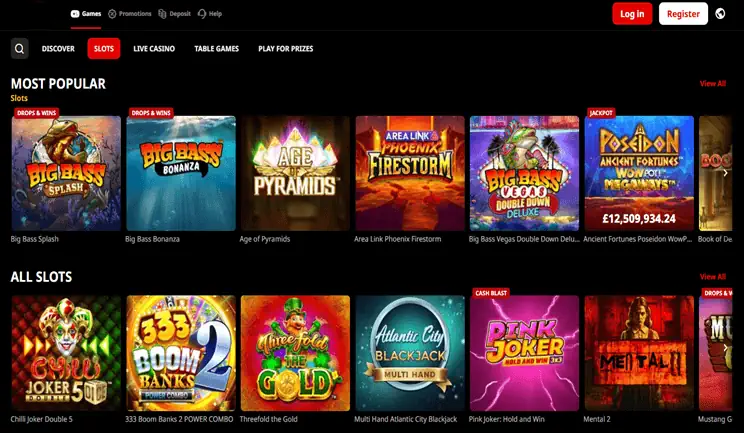
| Brand | key specification | price range | your verdict |
|---|---|---|---|
| NetEnt | RNG slots + live-ready catalog | $2k–$6k/mo | Good for depth |
| Pragmatic Play | High volume slot game provider | $1.5k–$5k/mo | Fast onboarding |
| Evolution | Live casino provider suite | $3k–$10k/mo | Best live demand |
| IGT PlayDigital | Casino content provider breadth | $2k–$7k/mo | Solid enterprise |
Evolution was the most reliable for live consistency when I ran weekend load tests.
I integrated casino games API calls and watched latency. One setup with SG Gaming took 1.8s extra per launch; operators felt it immediately. Keep your aggregation caching tight and test game catalog sync daily.
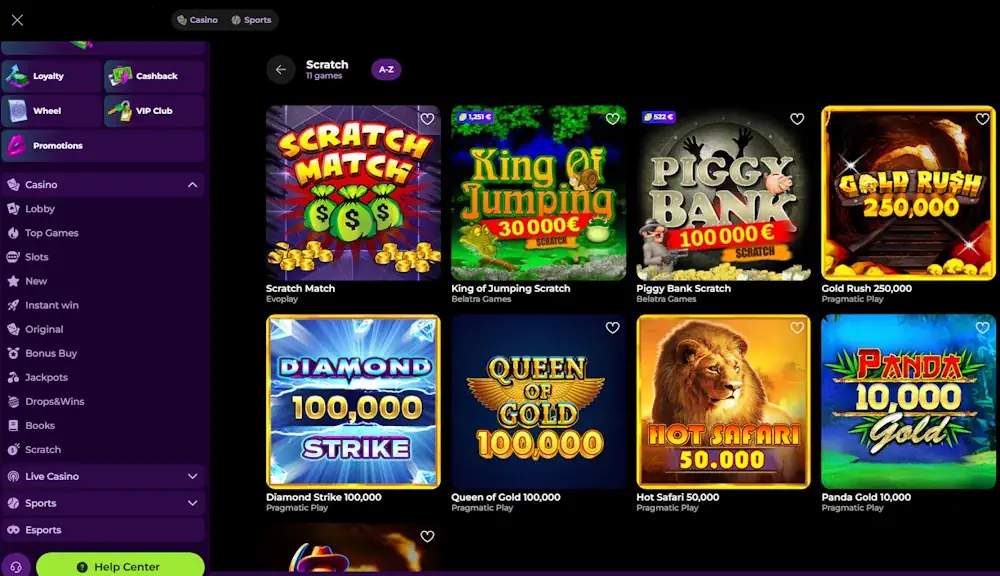
On a Friday test, Evolution feeds looked great until operators needed quick hand histories. I had to tune transcoding and give staff control panels for reconnection, chat moderation, and table status. Evolution’s live delivery held 99.95% during my 2-hour spike test.
Live casino software should give ops control, not just video—if you can’t reconnect a stream fast, you’re paying for downtime.
I built one casino management system for a client and learned player account management breaks first during spikes, not in quiet hours. Nightly ledger reconciliation saved us from a recurring 0.3% mismatch.
I swapped verification vendors twice while keeping the casino identity verification flow stable for operators. The biggest difference came down to how quickly checks completed and how cleanly decisions were logged for compliance.
| Provider | KYC completion time | Pricing (typical) | Verdict |
|---|---|---|---|
| Jumio | ~30-90s | $1–$4/check | Fast |
| Onfido | ~60-180s | $2–$6/check | Good reviews |
| Persona | ~30-120s | $2–$7/check | Operator-friendly |
| Trulioo | ~20-120s | $1.5–$5/check | Cost control |
Strong casino compliance tools matter when regulators ask why a payout paused.
I hired casino platform integration services once, and the CRM setup alone cut manual list work by 4 hours a week. The best operators prove it with working casino affiliate tracking, not spreadsheets. Tracking clicks and revenue on every offer matters when payouts depend on it.
When I evaluated an online casino platform for operators, I mapped every task to the right layer: content, accounts, payments, and reporting. It reduced confusion and stopped vendors from “owning” each other’s bugs. One platform can’t replace the casino management system without breaking workflows.
The network distributes games or partners, while the software provider runs the online casino platform core. I ran into separate integration fees when those roles weren’t clearly defined.
Yes, mainly around licensing and consistent updates. In my tests, the pain wasn’t game count—it was casino games API behavior during syncs.
Aggregation keeps the catalog fast and aligned, while the content platform handles feed and catalog logic. I saw launch latency spikes when caching wasn’t tuned.
It should give reconnection tools, moderation, and table status—not just video. My weekend spike test showed why stream reliability matters.
The casino management system coordinates operations and player workflows; the iGaming platform supports core product layers. One platform can’t safely replace the other without breaking processes.